


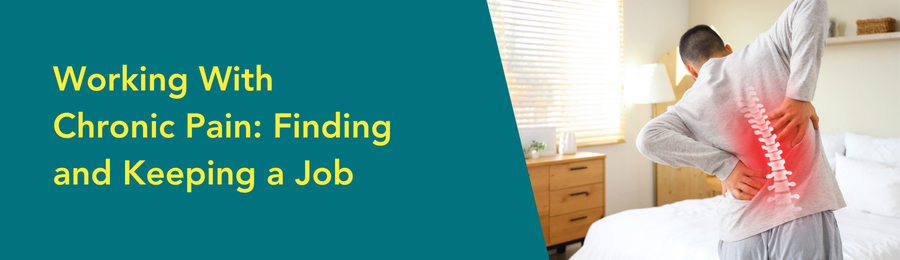
Working and living with chronic pain can make finding and keeping the right job more challenging. With the right support, workplace adjustments and a focus on strengths, meaningful employment is possible. This article covers finding a job with chronic pain and the support available through atWork Australia, helping employers and jobseekers understand how inclusive employment can create stronger, more resilient workplaces.
On this page:
- What is chronic pain
- Chronic pain at work
- Types of chronic pain
- Finding a job with chronic pain
- Support for living and working with chronic pain
- Thi’s story. Living with daily physical pain
- Common questions about chronic pain at work
- Can I work with chronic pain?
What is chronic pain
Chronic pain refers to pain that lasts longer than three months, beyond the expected healing time. Unlike acute pain, which is short‑term and usually linked to injury or illness, chronic pain can persist even after the original cause has resolved. According to the Australian Institute of Health and Welfare, around one in five Australians live with chronic pain, making it a significant workforce and wellbeing issue.
Chronic pain at work
People may experience chronic pain at work, at home, or during daily activities, and its impact varies widely between individuals. Understanding the difference between acute pain vs chronic pain helps employers and individuals recognise why long‑term support and flexible approaches are often needed.
Types of chronic pain
There are many types of chronic pain, and each person’s experience is unique. Chronic pain can arise from injury, illness, neurological conditions or musculoskeletal issues. Common examples include:
- Musculoskeletal pain, such as arthritis, back pain or neck pain
- Osteoarthritis and rheumatoid arthritis
- Neuropathic pain, including nerve damage or nerve‑related conditions
- Complex Regional Pain Syndrome (CRPS)
- Fibromyalgia
- Recurring conditions such as migraines
These examples reflect the wide range of chronic pain conditions. Some people experience constant discomfort, while others have flare‑ups that affect mobility, concentration or stamina. Understanding these variations helps employers create supportive environments and helps people identify roles that match their strengths and needs.
Finding a job with chronic pain
Finding a job with chronic pain starts with understanding your strengths, experience and the type of work that suits your circumstances. Rather than searching for “best jobs for chronic pain,” it’s more helpful to consider factors such as:
- Hours and scheduling
- Physical demands
- Flexibility
- Accessibility
- Work environment
- Role fit and long‑term sustainability
Example: Working with osteoarthritis
Someone living with osteoarthritis may prefer roles with minimal repetitive movement, while a person experiencing migraines may benefit from adjustable lighting or quiet spaces. People living with arthritis, fibromyalgia or other long‑term conditions often thrive in roles that allow autonomy, predictable routines or hybrid work arrangements.
atWork Australia provides tailored employment support for people living with physical disabilities. A Job Coach can help explore suitable opportunities, match your skills to the right roles and support you through the application process. atWork Australia provides personalised guidance through Inclusive Employment Australia, helping people living with disability, injury or health conditions prepare for, find and maintain work.
Support for living and working with chronic pain
Living with chronic pain can affect confidence, routine and work participation, but the right support can make employment more achievable and sustainable. Inclusive Employment Australia helps eligible people living with disability, injury or a health condition access employment support tailored to their needs. This includes:
- One‑on‑one guidance from a dedicated Job Coach
- Help identifying suitable roles
- Support preparing for interviews
- Assistance navigating workplace adjustments
- Access to additional support services where relevant
These services are designed to help people build confidence, manage symptoms at work and maintain long‑term employment. With the support of atWork Australia’s dedicated Job Coaches, many people living with chronic pain have successfully found meaningful work.
Thi’s story. Living with daily physical pain
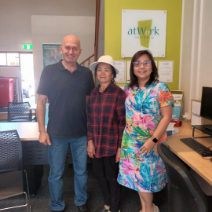
atWork Australia client, Thi, is a great example of this. Thi is living with chronic pain and faced significant barriers to employment and confidence. With support from her Job Coach, she received tailored support, encouragement and practical assistance to rebuild self‑belief and re‑enter the workforce. Thi explained that her Job Coach “believed in me and helped change my life,” highlighting the emotional impact of feeling understood, supported and empowered. The story demonstrates how tailored employment support, workplace adjustments and ongoing coaching can help people living with chronic pain find sustainable work and regain independence. Read Thi’s full story here.
Common questions about chronic pain at work
People often ask how chronic pain at work affects productivity, performance and long‑term sustainability. The reality is that many people with chronic pain work full‑time or part‑time with the right supports in place. Practical adjustments can make a significant difference, such as:
- Flexible hours or hybrid work
- Adjusted duties
- Ergonomic equipment
- Modified workspaces
- Planned breaks
- Supportive communication with supervisors
Not everyone living with chronic pain needs workplace adjustments, but when they are required, they can help maintain productivity and reduce flare‑ups. Employers who adopt inclusive practices often benefit from improved retention, stronger team culture and access to a broader talent pool.ups. Employers who adopt inclusive practices often benefit from improved retention, stronger team culture and access to a broader talent pool.

Can I work with chronic pain?
Many people search for information about working with specific chronic pain conditions. Below are some responses to common queries:
Jobs for people with osteoarthritis
People with osteoarthritis often succeed in roles with predictable routines, minimal repetitive strain and supportive environments. The focus should be on matching strengths to tasks and finding the right work environment that supports your circumstances.
Finding a job with fibromyalgia
Finding a job with fibromyalgia begins with understanding your strengths, capabilities and the type of work that supports your wellbeing. The goal isn’t to find a “perfect” job, but a role that aligns with your physical needs, symptom patterns, energy levels and long‑term goals. This often means choosing work with flexible hours, predictable routines, low physical strain and environments that allow you to manage pain, fatigue and cognitive symptoms comfortably. Building a sustainable work routine is about matching the job to your capacity, not pushing your capacity to fit the job.
Jobs for people with migraines
People living with migraines may benefit from roles with adjustable lighting, quiet spaces or flexible scheduling. Many workplaces can accommodate these needs with simple adjustments.
These examples demonstrate that employment is possible across a wide range of industries. The goal is not to restrict job choices but to find roles that align with your strengths, experience and health needs.
Get support to find and keep meaningful work
Working with chronic pain can be challenging, but with the right support, inclusive employers and practical workplace adjustments, meaningful and sustainable employment is absolutely possible. Many people living with long‑term pain build thriving careers when they have access to personalised guidance, flexible options and a Job Coach who understands their goals, strengths and circumstances.
Chronic pain does not define a person’s potential and with the right tools, confidence and support, work can become a positive and empowering part of life. If you’re living with chronic pain and want support to find or keep a job, atWork Australia is here to help. Get started today and take the next step towards meaningful employment.